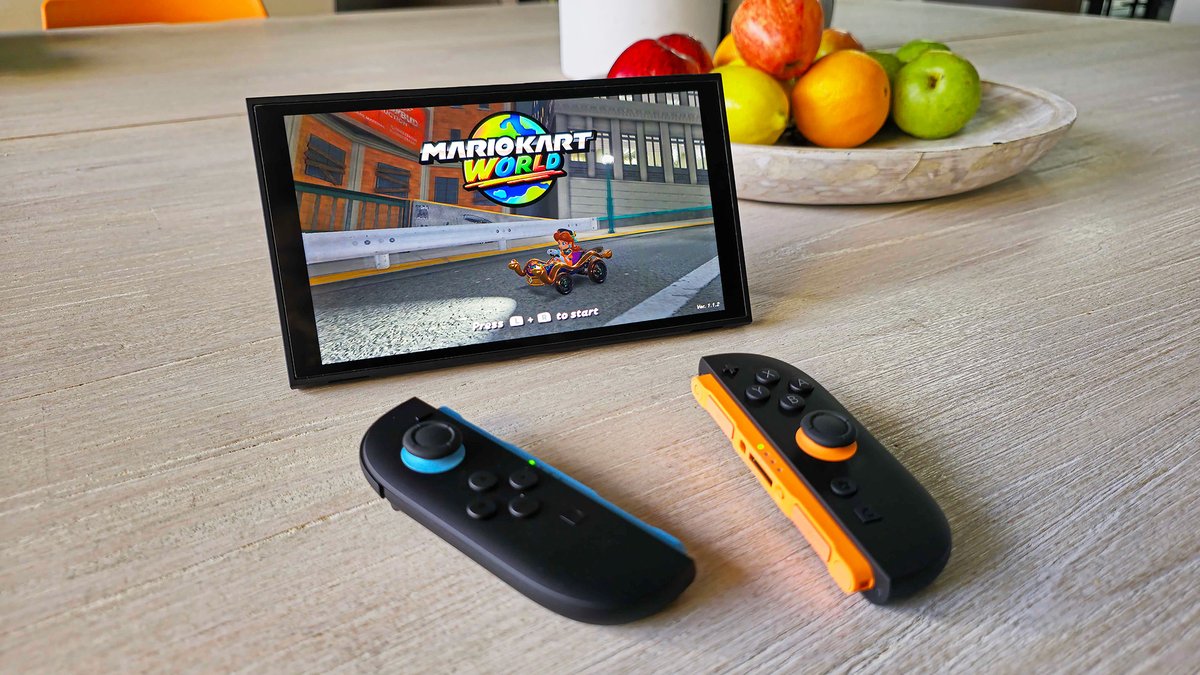
The whispers have grown into a roar: Nintendo's next-generation console is on the horizon, officially slated for a 2025 launch. The prospect of a "Switch 2" has set the gaming world abuzz, promising a significant leap in power and features over its incredibly popular predecessor. But amidst the excitement and speculation, it's critical to pump the brakes and consider the Potential Downsides & Reasons to Wait for Nintendo Switch 2. Rushing in might not be the smartest play, especially when you weigh the known facts, the compelling rumors, and the broader gaming landscape.
Before you start lining up your hypothetical dollars, let's unpack why taking a patient approach to Nintendo's next big thing might just be the wisest move for your wallet and your gaming enjoyment.
At a Glance: Why You Might Want to Hold Off on the Switch 2
- Limited Initial Game Library: Early days mean fewer exclusive new titles; most will likely be ports or backward-compatible games you already own.
- "Early Adopter Tax": The console will likely launch at a premium price (rumored around $450), with few discounts or bundles available.
- Maturing Ecosystem: Waiting allows for critical reviews, potential bug fixes, and the growth of a robust, optimized game library.
- Strong Alternatives Exist: Your current Switch, a powerful PC, or handhelds like the Steam Deck OLED offer fantastic gaming experiences right now.
- Uncertainties Remain: While a 2025 launch is confirmed, the exact date, full launch lineup, and official deep dives are still under wraps.
The Next Evolution: What We Know (and What We Think We Know) About Switch 2
Nintendo confirmed in May 2024 that a new iteration of the Switch is indeed coming in 2025. This isn't just a minor refresh; based on strong leaks and insider speculation, the "Switch 2" (or whatever it's eventually named) is poised to be a substantial upgrade.
For context, the original Nintendo Switch, launched in 2017, packed a 6-inch screen, up to 2TB of expandable memory, and the versatile ability to switch between handheld and TV modes via its dock. It's built an undeniable legacy with an incredible library of first-party and third-party titles.
The rumored successor, however, aims higher. Imagine an 8-inch OLED screen – bigger, brighter, and sharper – paired with an Nvidia T239 processor. This chip is expected to bring serious horsepower, potentially delivering PlayStation 4-level graphics, and running up to seven times faster than its predecessor. What does that mean for you? Features like ray-tracing for stunning lighting effects, DLSS (Deep Learning Super Sampling) for sharper images at higher frame rates, frame generation for smoother gameplay, and ray reconstruction to further boost visual fidelity. These technologies could allow the Switch 2 to run true AAA console games, blurring the lines between handheld and traditional home console experiences.
Crucially, strong reports suggest the Switch 2 will be backward-compatible with your existing Switch 1 games. This is excellent news for your current library, but it doesn't mean you should rush to buy the new hardware immediately.
The Art of Patience: Key Reasons to Wait for the Nintendo Switch 2
While the technical specs paint an exciting picture, several practical considerations strongly suggest holding off on an immediate purchase, even after the console officially hits shelves.
1. The Game Library is Still Growing Up
This is perhaps the most significant reason to exercise patience. Think back to any console launch: the initial game lineup is often sparse, and truly groundbreaking exclusives are few and far between.
Reports indicate that many of the "new" games for the Switch 2 at launch will be ports from other platforms – titles like Cyberpunk 2077, Street Fighter 6, and Civilization VII are frequently mentioned. While these are fantastic games, they're likely ones you can already play (or have played) on other systems, often at a lower cost or with more robust feature sets. Exclusive, original Nintendo titles, like the highly anticipated Metroid Prime 4 or new entries like Mario Kart World and Donkey Kong Bananza, will take time to materialize and build a truly compelling native library for the Switch 2.
What to consider: Do you want to pay $450 (or more) for a console primarily to play enhanced versions of games you might already own elsewhere, or for a handful of new titles that may not fully showcase the console's potential? Waiting means you'll have a much larger, more diverse, and more optimized library to choose from, making your investment feel much more justified.
2. That "Early Adopter Tax" Hits Hard
New technology almost always comes with a premium price tag, and the Switch 2 is no exception. With a rumored asking price of around $450, it's a significant investment, especially considering the original Switch models are now more affordable.
Nintendo also has a reputation for rarely discounting its first-party games. Classics like The Legend of Zelda: Breath of the Wild still command $60 years after release. This means your ongoing investment in the game library will remain high, regardless of when you buy the console.
What to consider: Are you prepared to pay top dollar for the hardware and then full price for every new game, without the benefit of a mature ecosystem where bundles, sales, and pre-owned options are more prevalent? Waiting a few months, or even a year, could see the introduction of hardware bundles, minor price adjustments, or simply a wider array of games to buy during sales.
3. Your Current Gaming Setup Might Be More Than Enough
Before committing to another handheld, take a serious look at what you already own and how it serves your gaming needs.
- The Original Nintendo Switch: If you own a Switch, Switch Lite, or Switch OLED, you already have access to an enormous, critically acclaimed library. For many, the existing model provides plenty of enjoyment, and if you just want to dive into Nintendo's unique brand of fun, it's still an excellent choice.
- PC Hardware: For the serious gamer, a PC offers unparalleled versatility. While a high-end PC upgrade will certainly cost more than $450, it offers a massive, often heavily discounted game library spanning decades. Beyond gaming, a PC serves countless purposes from work and content creation to media streaming. The long-term game acquisition costs on PC are often significantly cheaper than on consoles.
- Alternative Handhelds (Steam Deck OLED, ROG Ally, etc.): Devices like the Steam Deck OLED have revolutionized handheld PC gaming, providing access to a vast PC catalog with impressive performance. They can handle demanding games like Cyberpunk 2077 (albeit typically without ray tracing for optimal performance) and offer a different kind of portability and power. If you already own one of these, or are considering one, the perceived "untapped potential" in your current devices might make an immediate investment in another handheld unnecessary. These devices cater to a different niche, but their existence underscores that portable, powerful gaming is already readily available.
What to consider: Do you truly need another dedicated gaming device right now, or could your existing setup, or a different investment, offer more immediate value and versatility?
4. The "Wait and See" Advantage: Let Others Be the Early Adopters
Every new console launch comes with a degree of uncertainty. Early batches of hardware can sometimes have unforeseen quirks or bugs that get ironed out in later revisions. Display blurring at 60Hz and not fully delivering on HDR promises are examples of concerns that have already surfaced in early reports regarding the Switch 2's performance – issues that might be refined in later production runs.
What to consider: By waiting, you allow others to be the "guinea pigs." You benefit from comprehensive reviews, user feedback on hardware reliability, and the potential for Nintendo to release improved hardware revisions or firmware updates that address initial pain points.
The Downside of Not Waiting: Weighing the Risks
While the reasons to wait primarily focus on maximizing your value and experience, there are also potential downsides to being an early adopter.
- Paying a Premium: As mentioned, you'll be paying the absolute maximum price for the console and its accessories. There will be no launch day discounts.
- Limited Software at First: Your shiny new console might sit unused or play mostly old games until a robust library of Switch 2-exclusive titles emerges.
- Potential for Minor Hardware Issues: Early production runs, while typically tested rigorously, can sometimes reveal unexpected flaws once millions of units are in the wild. Waiting ensures you get a more refined product.
- Unoptimized Backward Compatibility: While Switch 2 is reportedly backward-compatible with Switch 1 games, it's possible that not every older title will run perfectly or leverage the new hardware flawlessly right away. Some games might even face minor glitches if not specifically optimized for the new chip.
Making Your Move: Who Should Wait, and Who Shouldn't?
Ultimately, the decision to wait or jump in early is a personal one, but here’s a framework to help you decide:
You should strongly consider waiting if:
- You're on a budget: Saving $450 (plus games and accessories) for a few months could mean better deals or more games later.
- Your current setup is serving you well: If you're happy with your Switch, PC, or another handheld, there's no immediate pressure.
- You prioritize a vast game library: Waiting ensures you have more exclusive titles and optimized games to choose from.
- You dislike being an "early adopter": You prefer to let others discover and report on potential issues, benefiting from a more mature product.
- You want to see how the competition responds: New hardware from Nintendo might spur rivals to offer better deals or new products.
You might not need to wait if: - You're a die-hard Nintendo fan with disposable income: Being among the first to experience Nintendo's next big thing is part of the fun for you.
- You don't own a Switch (or a capable gaming PC/handheld): The Switch 2 could be your first entry into Nintendo's ecosystem, offering a powerful all-in-one experience.
- You absolutely need the latest technology: Ray-tracing, DLSS, and PS4-level graphics in a handheld format are a significant draw.
- You're excited by the prospect of playing specific upcoming AAA ports on the go: If Cyberpunk 2077 or Street Fighter 6 on a handheld is your dream, and you don't have other means to play them portably.
The Horizon Awaits: Your Next Steps
The Nintendo Switch 2 represents an exciting future for portable and home console gaming. The anticipated upgrades – a larger OLED screen, a significantly faster processor with advanced graphics capabilities, and robust backward compatibility – promise a truly next-generation experience.
However, the smart money, for most gamers, is on patience. With the official launch confirmed for 2025 but many details still under wraps, the initial period will likely be characterized by a high price tag, a nascent exclusive game library, and the usual early adopter caveats.
Instead of rushing to be first, consider saving up, enjoying the incredible games already available on your existing Switch, exploring the vast world of PC gaming, or trying out other handheld alternatives. By letting the dust settle, you can make a more informed decision, secure a better deal, and dive into a Switch 2 ecosystem that is richer, more refined, and ultimately, more rewarding.